
Bagocha: Punjab’s Forgotten Comfort Food Hidden in Village Kitchens
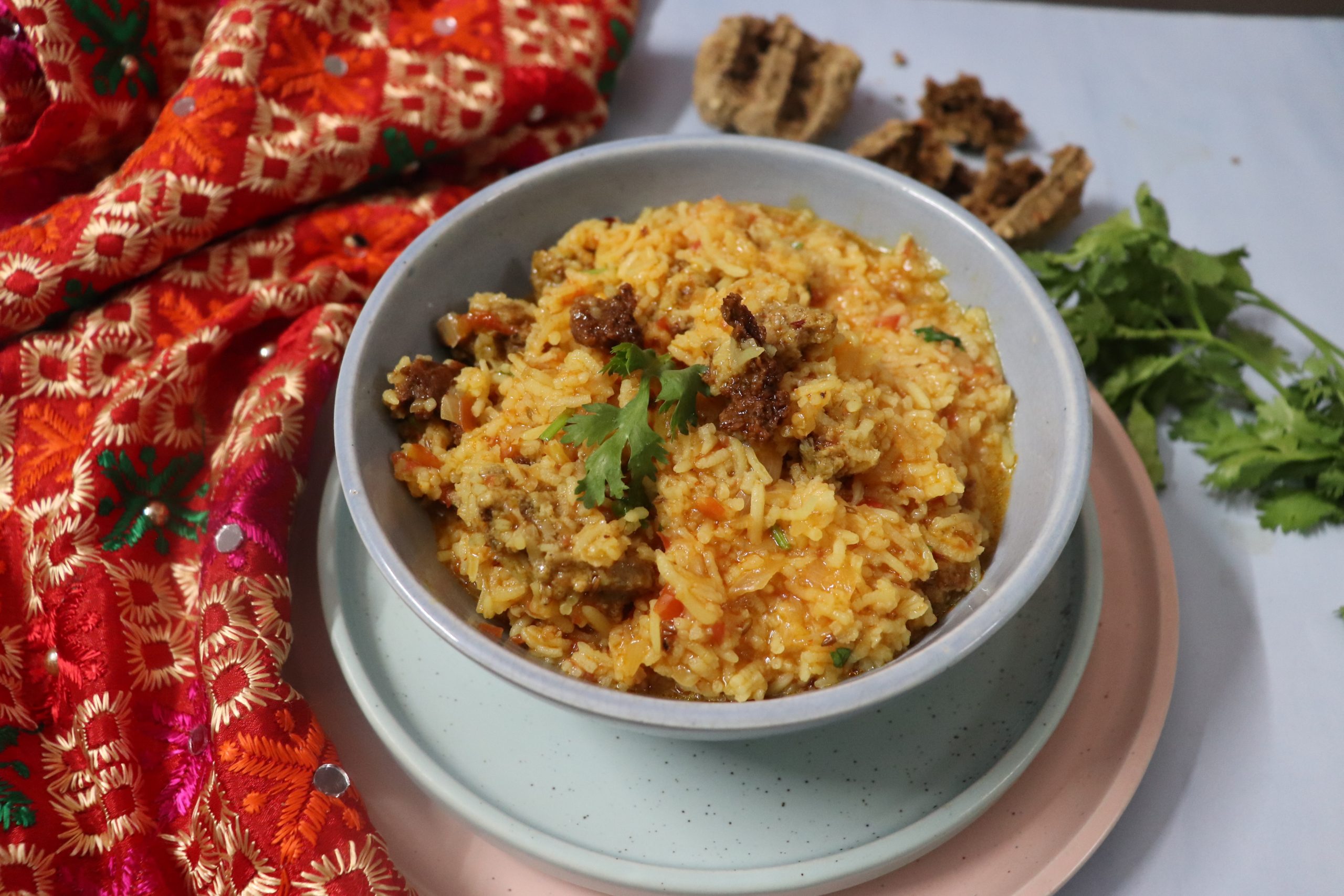
Long before food became content for social media, Punjab’s kitchens were built around simplicity.
Jump to RecipeMeals were not designed to look luxurious. They were meant to feed hardworking families, bring warmth during cold evenings, and make the most of whatever ingredients were available at home. Among these forgotten recipes was a dish quietly loved in village households — Bagocha.
Today, very few people even recognize its name.
Yet for older generations, Bagocha carries the aroma of wood-fired chulhas, steel plates, homemade pickles, and winter afternoons spent in open courtyards.
The Story Behind Bagocha
Bagocha was never considered a “special occasion” dish. In fact, that is exactly why it became special.
It belonged to the everyday Punjabi kitchen — the kind of food cooked without recipes, measurements, or restaurant presentation. Mothers and grandmothers prepared it instinctively using rice, wadis, onions, and basic spices already present in the pantry.
The magic of the dish came from the wadis.
These sun-dried lentil dumplings were traditionally prepared in large batches during summer and stored for months. Whenever fresh vegetables were unavailable or time was short, wadis transformed simple meals into flavorful comfort food.
Bagocha became one of those meals.

Traditional Bagocha Recipe
Ingredients
- 1 cup basmati rice
- 3 Urad dal wadis
- 1 onion, finely chopped
- 2 tomatoes
- 2 green chilies
- 1 teaspoon cumin seeds
- ½ teaspoon turmeric
- ½ teaspoon red chili powder
- Salt as needed
- 2 tablespoons mustard oil or desi ghee
- Fresh coriander
- 3 cups water
Method
Wash and soak the rice for twenty minutes.
Heat mustard oil in a heavy pan and fry the wadis until golden brown. Remove them carefully and keep aside.
In the same oil, add cumin seeds and onions. Cook until the onions turn lightly golden. Add tomatoes, green chilies, and spices, then cook until the masala softens completely.
Now add the fried wadis back into the pan. Mix gently with the soaked rice and pour water over it.
Cover the pan and cook slowly on low heat until the rice becomes fluffy and aromatic.
Finish with fresh coriander and a spoon of desi ghee.

Bagocha: The Lost Recipe of Punjab That Deserves a Comeback
Ingredients
- 1 Cup Basmati Rice
- 3 Urad dal wadis
- 1 Onion finely chopped
- 2 Tomatoes, chopped
- 2 Green Chilies optional
- 1 tsp Ginger-Garlic Paste
- 1 tsp Cumin Seeds
- ½ tsp Turmeric Powder
- ½ tsp Red Chilli Powder
- 1 tsp Coriander powder
- Salt to taste
- 2 tbsp Mustard Oil or Desi Ghee
- 3 Cups Water
Instructions
- Wash and soak the rice for twenty minutes.
- Heat mustard oil in a heavy pan and fry the wadis until golden brown. Remove them carefully and keep aside.
- In the same pan oil, add cumin seeds and onions. Cook until the onions turn lightly golden. Add tomatoes, green chilies, and spices, then cook until the masala softens completely.
- Now add the fried wadis back into the pan. Mix gently with the soaked rice and pour water over it.
- Cover the pan and cook slowly on low heat until the rice becomes fluffy and aromatic.
- Finish with fresh coriander and a spoon of desi ghee.
Notes

More Than Just a Recipe
Bagocha is not only about taste.
It is about remembering a Punjab that existed before fast food and packaged masalas. A Punjab where food carried patience, memory, and practicality.
Recipes like this survive mostly through stories now — passed from grandparents to grandchildren, often without written instructions.
Maybe that is why dishes like Bagocha feel so emotional. They remind us that food is not only something we eat. Sometimes, it is also a way of preserving history.
And perhaps the most beautiful recipes are the ones almost forgotten.
Cooking with lots of love and straight from the heart.
Bhawna Maharshi
Pans n Ovens